

Cándido Fabré Fabré
Discography (Spotify)
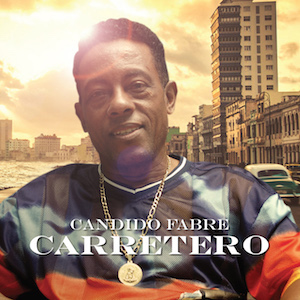


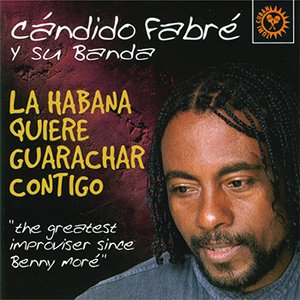
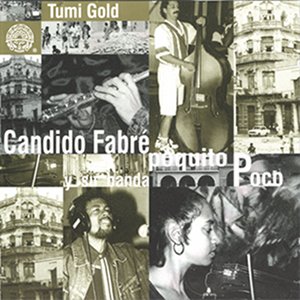

Biography:
In the town of San Luis, Oriente, current province of Santiago de Cuba, in an environment linked to musical activity, on September 20, 1957, Cándido Fabré Fabré was born, one of the most unique voices in Cuba in the style of improvising lyrics in popular dance music.
Since childhood he showed his aptitude for sung improvisation. His auditory and musical development was not only influenced by the family environment, but also by the sound of the music that was made in the bembé of the neighborhood; of the charanga orchestras in vogue, La Unión Sanluisera, Maíz y sus hombres, the Tropicuba combo, among others, the congas, and the serenades of San Luis. At the age of 15, he was already singing in the Hermanos Salazar orchestra, and later, in Palma Soriano with the Los Samurais combo, a group with which he remained for more than five years.
In 1983, Fabré is heard by maestro Wilfredo (Pachi) Naranjo on the occasion of a presentation by the Original de Manzanillo in San Luis, and this would mark his entry as the leading voice of this renowned orchestra.
With the Manzanillo Original he recorded six acetate discs at the EGREM Siboney Studios in which he incorporated his most popular compositions: Coge el Camaron (1983), Córranse ahí (1984), Acabo de llegar (1986), Vía libre (1987 ), Guayabita del Pinar (1988) and Tanto kilogramo de Son (1989), a discography that demonstrates public acceptance. Cándido Fabré contributed to this orchestra (which was already well known), an arranger and composer who helped enrich the repertoire of the group, and a leading voice that would identify it for ten years, placing it in one of the best places in the preference of the public.
In 1990 he participates with the Original in the Festival of Cartagena de Indias, Colombia, where they obtain the Caracol del Caribe Award, the highest distinction offered at that event.
In 1993 he separated from the Original de Manzanillo and organized his own orchestra Cándido Fabré y su Banda, and recorded with the EGREM Siboney Rematando Fuerte (1993), an album with works of his own where he stands out for his popularity Deja que Roberto te toque. That same year he returns to Colombia and participates in the same Festival, but this time with his own Band, obtaining public recognition for his high level of attendance, for which the organizers decide to reward him for the second time.
With his new group he has recorded five discs with the Tumi Music: Son de Cuba (1996), Poquito a poco (1997), La Habana quiere guarachar contigo (2000), Cubano soy (2000) Cuba Caliente: The best of Candido Fabre y ***Cuba Caliente Vol. 2 (***ambos del año 2007).
Also, his song Pa aqui pa alla buscando a mi pareja is part of the soundtrack of the film The Ages of Lulu by the Spanish director Bigas Luna. Regarding this work, he has stated:
“I have been inserting myself in some soap operas and in some movies thanks to Tumi Music, which is based in England, and it satisfies me to know that music is not only danced, but also used on the big screen.”
His songs reverse the everyday into song, and he sings the same to baseball, a sport he is passionate about (Serranos Campeón), as to the crowds on the bus (Córranse ahi), or to a popular phrase (Eso pa’ ti es bobería, Sarría), that is why he says “I am a man who walks to the rhythm of life with my songs”
Throughout his career he has received numerous distinctions and social and institutional recognitions such as the Distinction for National Culture, the Nomination for the 2011 National Music Prize, the Key to the city of Santiago de Cuba, and the status of Adoptive Son of the cities of Camagüey and Ciego de Ávila, among others.
Poverty History Concert

Youtube Videos:
Music Catalog
With a hoarse voice that characterizes him, Fabré has the style and code of the authentic sonero. His creations exceed two thousand, and have been covered by prestigious figures and national and international groups such as Van Van, the Aragón orchestra, Adalberto Alvarez, Manolito Simonet, Isaac Delgado, the Maravillas de Florida orchestra, Yumurí and his brothers, Los Clasicos del Son, and others; as well as Oscar D’ León, Celia Cruz, Willy Chirino, José Alberto “El Canario”, Roberto Roena, Ismael Miranda, Marvin Santiago, among other renowned performers.
He has participated in international events and festivals such as: Make Poverty History in Edingbrough Scotland, in the Netherlands, in the Duvargan in Ireland, in the Amsterdam Root Festival in the Netherlands, in the Zabkowice Slaskie in Poland, ULM Festival in Germany.
In December 2010, he made a successful promotional tour of the United States, where he was able to exchange his music with Gilberto Santa Rosa, and interpret one of his most fabulous improvisations with a forced foot that said: “I will not return to Cuba“:
If I forget my old Sixta, if I forget San Luis,
if I forget about Benny, if I forget about Martí,
if I forget the son, the key and the bongo,
if I forget the rumba, and I forget this guaguancó,
if I forget Sindo Garay, Matamoros and Chepín,
if I forget Enrique Jorrín, and also Rafael Lay,
if I forget about Compay, and perhaps I lose faith,
if I forget Fabré, and that I come in progress,
then Carlos I will say, that I will not return to Cuba.
Cándido Fabré
In 2020 he participated in the movie “Mambo Man” where he also composed several scores for it. Today “Mambo Man” accumulates more than 100 awards at international film festivals, many of which have been for Best Soundtrack.
He is currently recording his latest album for Tumi Music which will be released in December 2022.
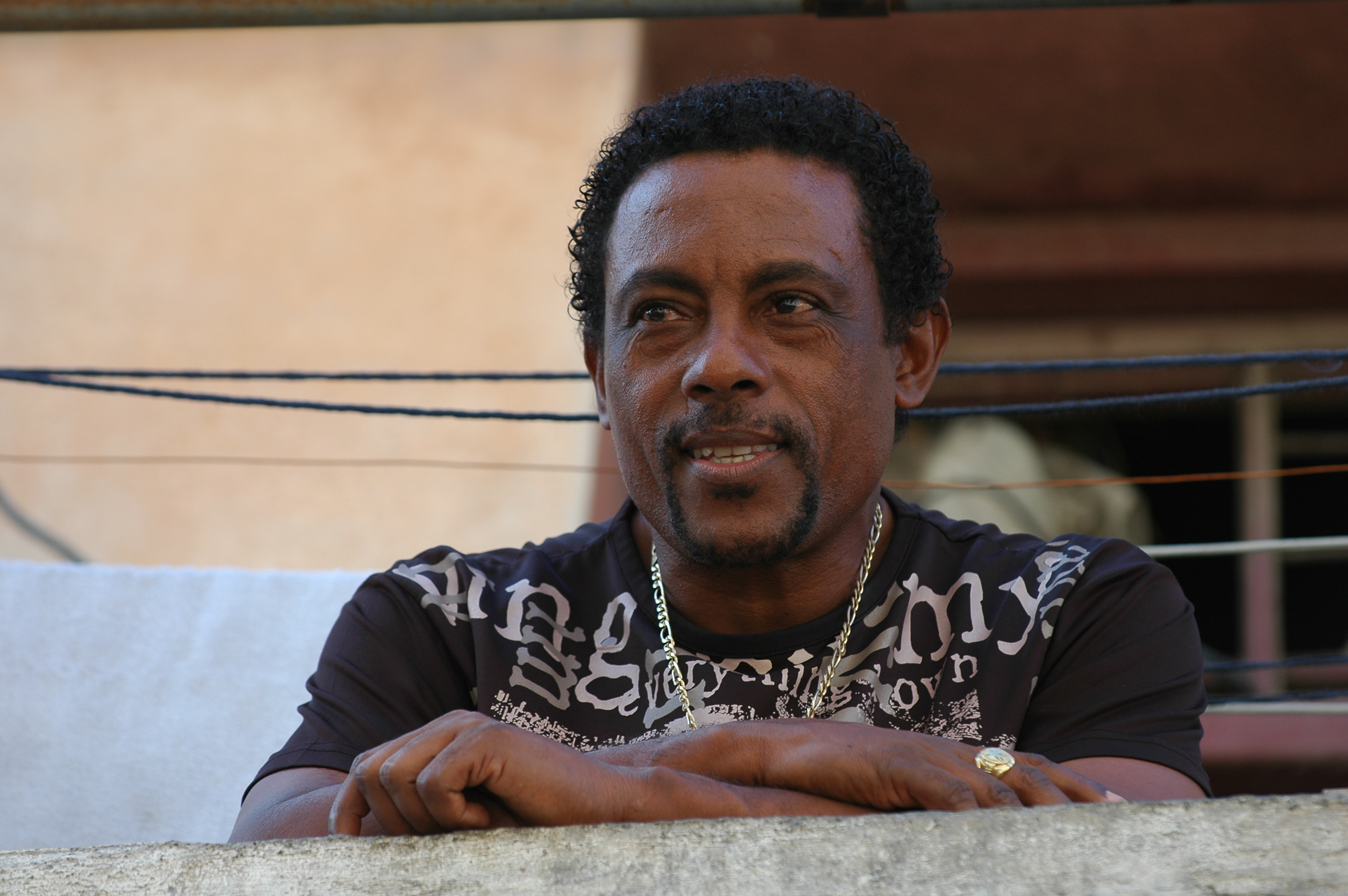


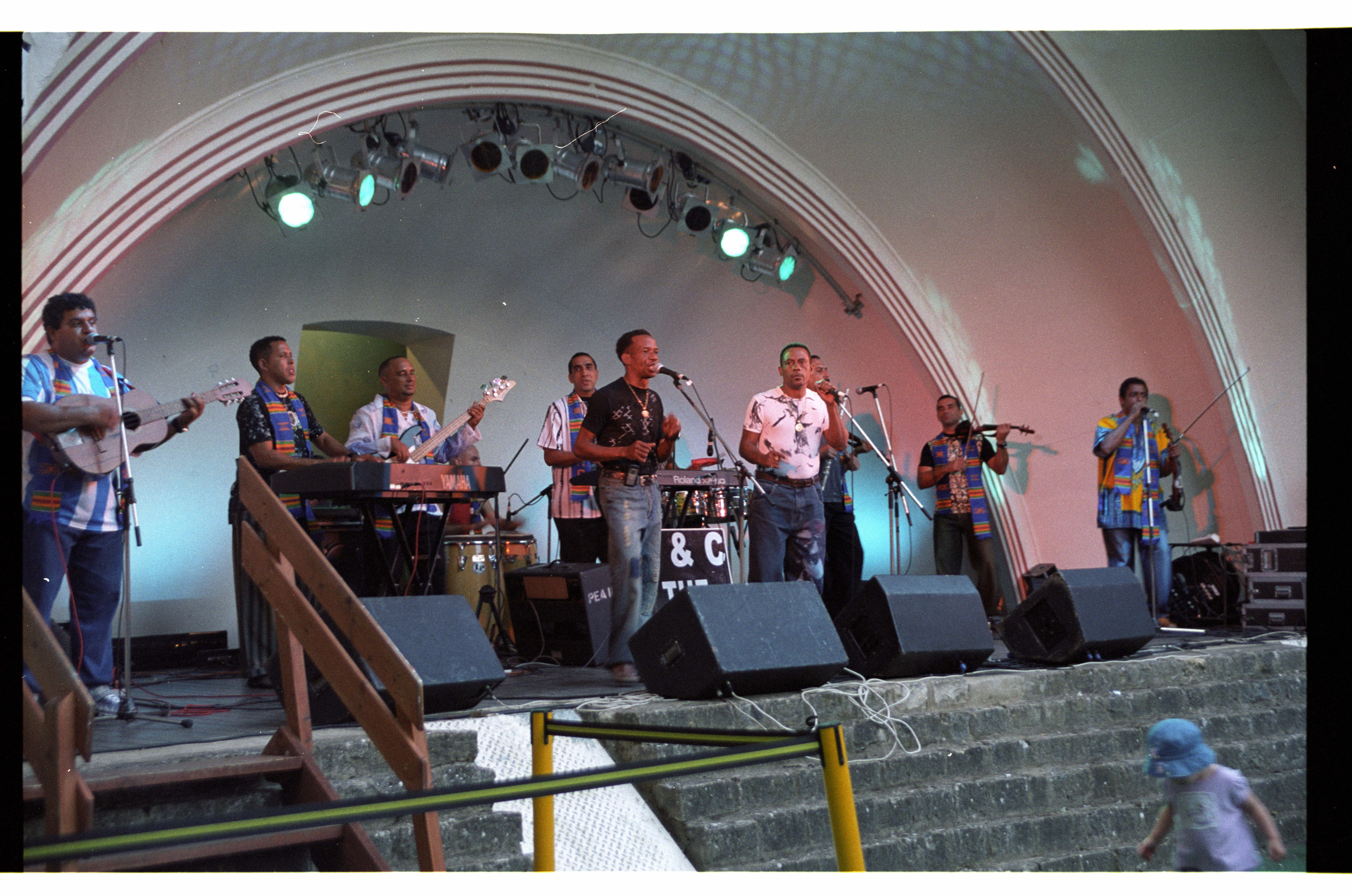



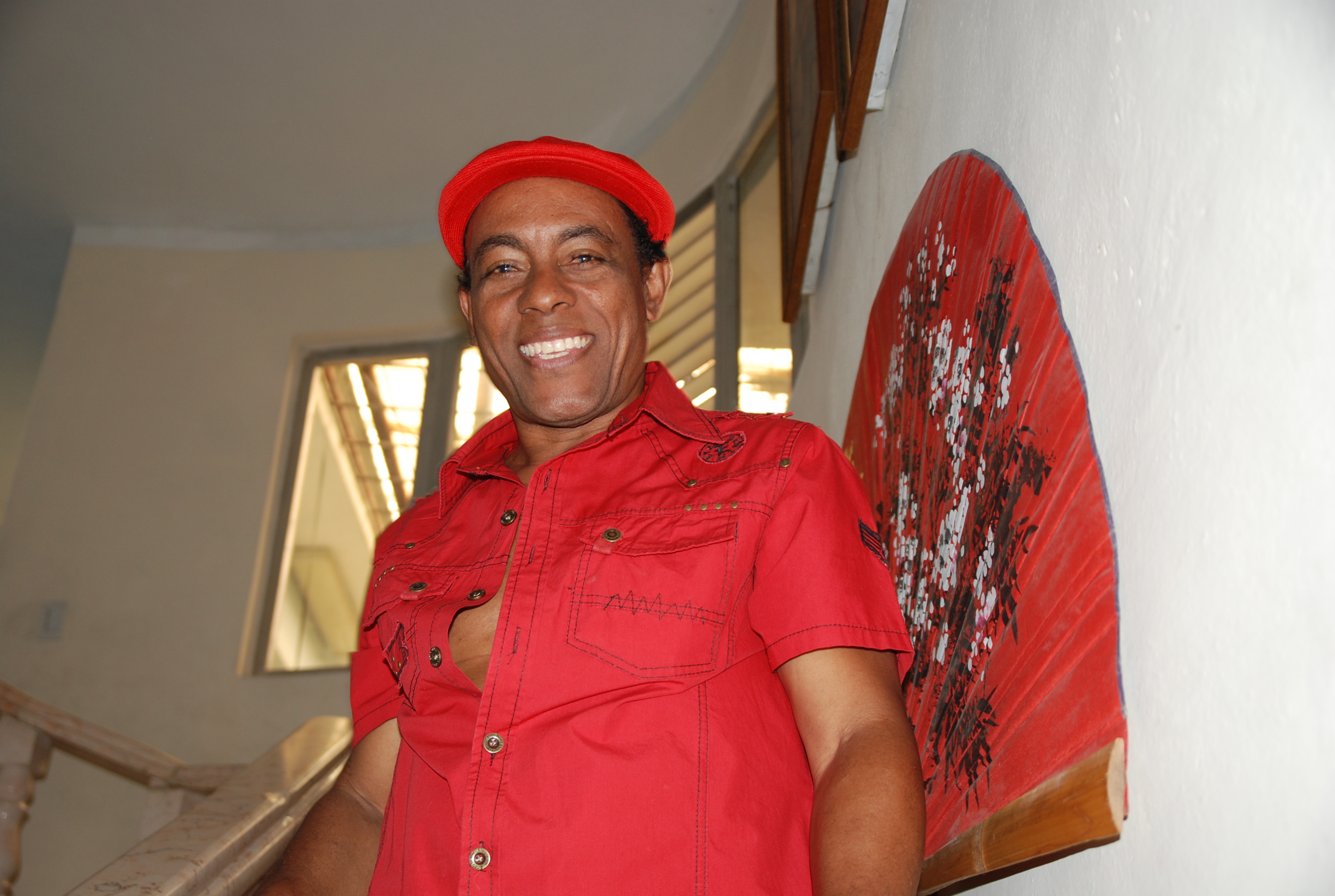
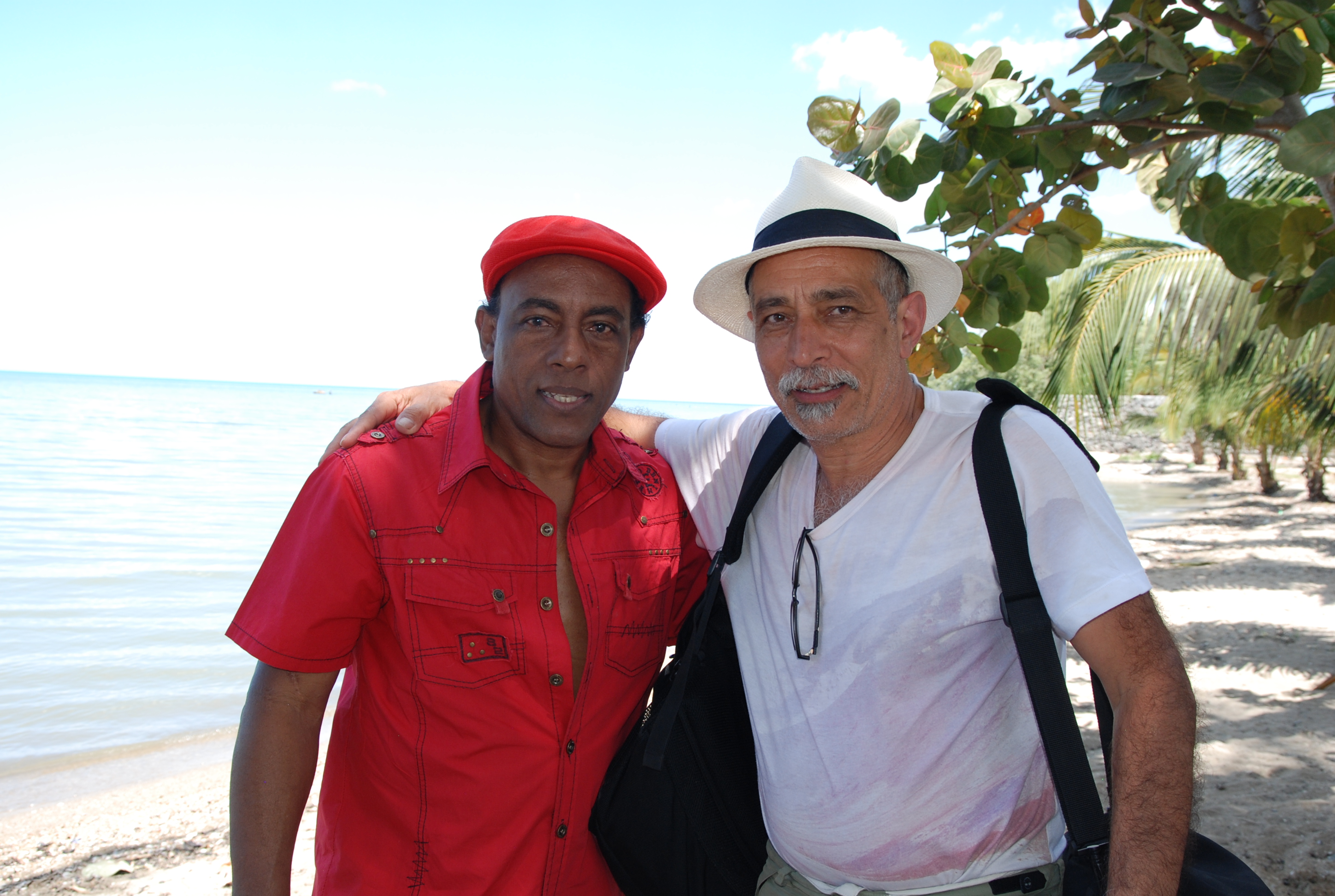
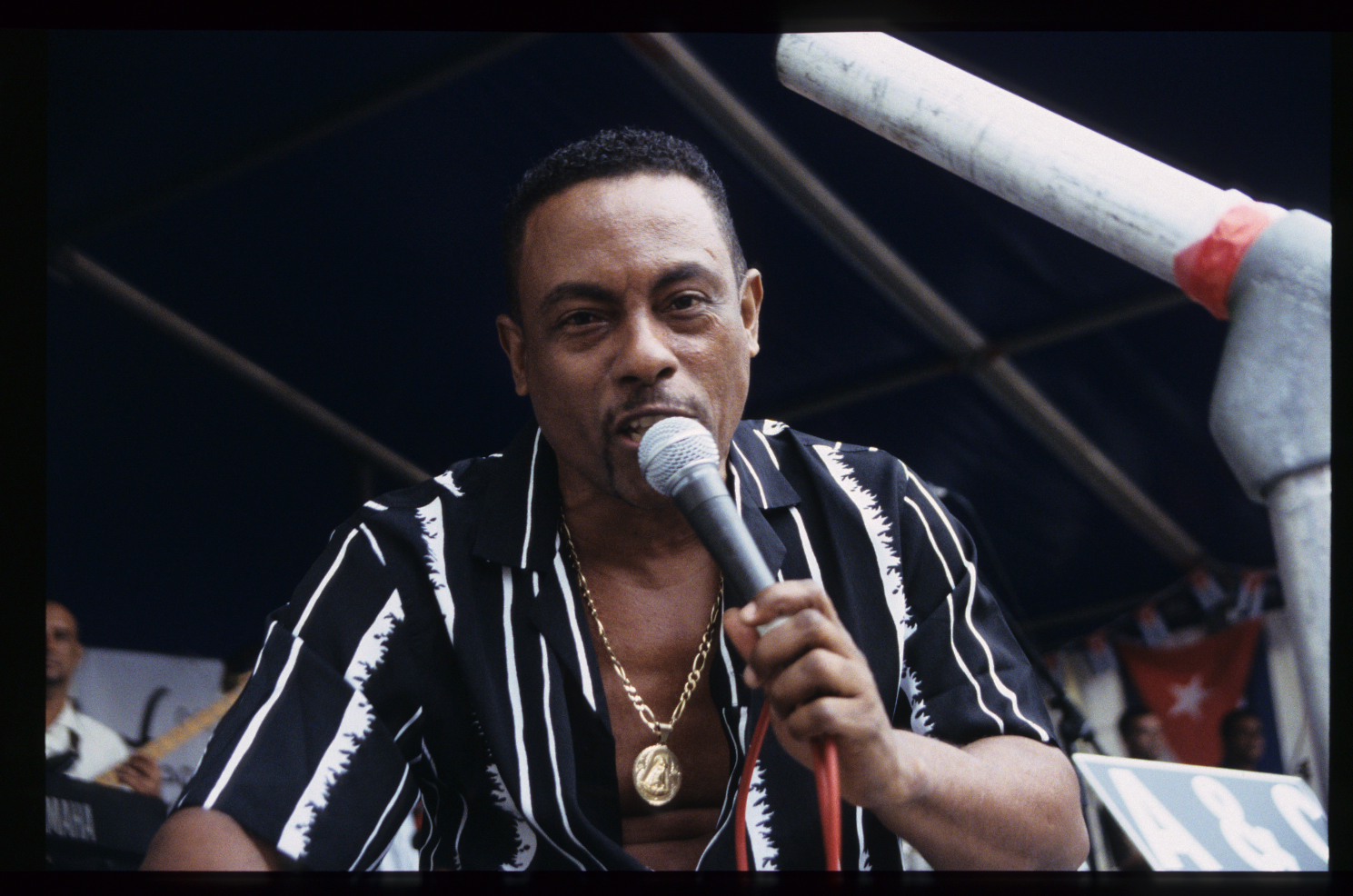
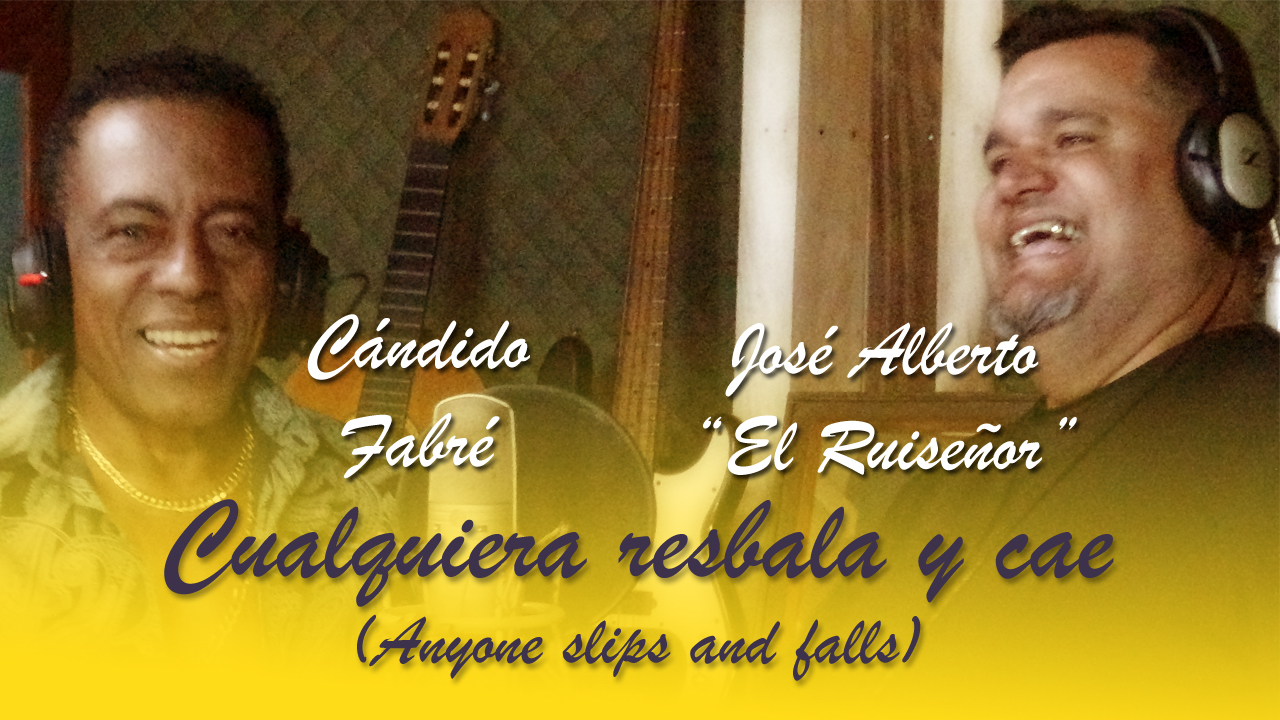
Candido Fabré has been leading his band for 30 years, one of the Cuban groups that attracts the most public to its concerts, which with its extensive repertoire makes the public dance to the point of delirium, repeating one of its refrains “a dawn, it is not dawn, if you don’t dawn with Fabré”; and that experience is lived when Candido Fabré appears in Trocha and Carretera del Morro “El Termómetro” (as it is known in Santiago de Cuba and throughout the Island), to the cry of: Fabré has arrived! Shake it up!
 Tumi Music blogs