

Félix Baloy
Discography (Spotify)


Biography:
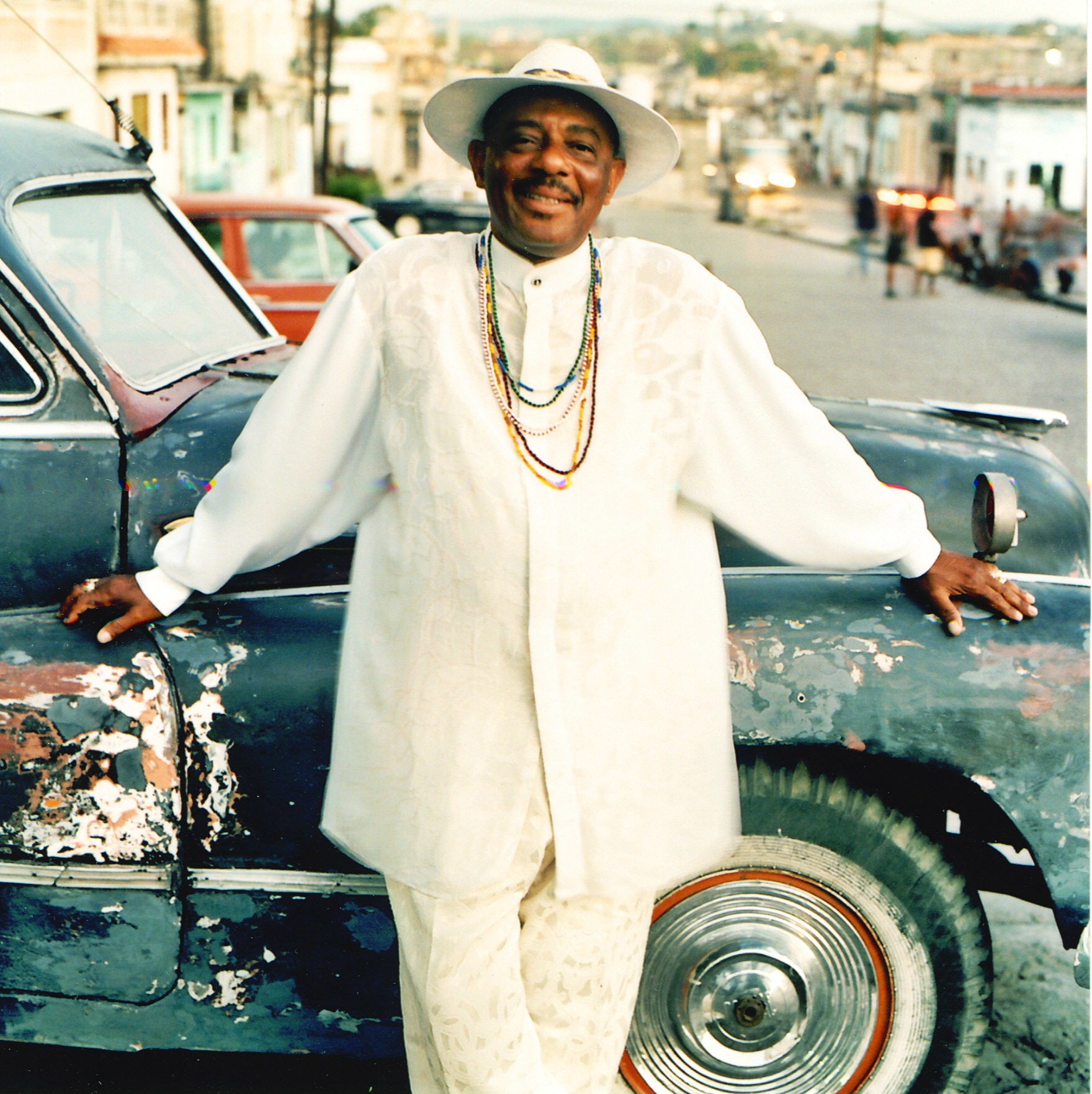
Cuba is a land of great soneros. But even in such a rich musical climate, the voice of Félix Baloy was always destined to mark him out as something special. Born on November 20, 1944 in Mayari in eastern Cuba, he grew up in a typical working class Cuban family. In those pre-revolutionary times, schooling was still the preserve of the elite and he had no formal education, being forced to begin working as a labourer at an early age to augment his family’s meagre income. Later he found employment as a milkman and a shoemaker.
But there was always music. Early on, he fell under the spell of Benny Moré, arguably the greatest figure in Cuban music of the modern era. Baloy’s grandmother lived close to the legendary Ali Bar, where Moré was a regular performer and it wasn’t long before Baloy’s youthful ingenuity had devised various ways of getting in to see his hero for free. The most popular simply involved scaling the back fence when nobody was looking. Little did he know that more than four decades later, he would be a popular attraction on the same stage.
By the time he was in his early teens, Baloy was singing with the group Mi Amparo. But as artistic and economic isolation set in after the revolution and the cash-rich and music-hungry tourists who had filled the clubs and cabarets of Havana vanished, it became increasingly hard for musicians to make a living. Although he kept up his singing, Baloy was also forced to maintain his day job.
By the 1970s, Cuba was suffering from a serious recession and opportunities were more limited than ever. But there’s saying that talent will always out and Baloy’s unique voice eventually landed him the job of lead singer with the Orquesta of Elio Reve Snr. Formed in Havana in 1956, Reve’s group by this time had become one of the great institutions of Cuban music. Among the other top musicians to pass through its ranks were Juan Formell, who would soon go on to lead Los Van Van, and Juan Carlos Alfonso, who later formed the group Dan Den.
Reve’s orchestra helped to revitalise and re-shape Cuban music at what was probably its lowest point. Baloy’s stay was a short but vital one. His exposure with Reve meant he was soon in demand as one of Cuba’s most exciting young soneros and he was soon head-hunted to join Tropicuba. There he teamed up with fellow sonero Raul Planas, who was to remain a friend and colleague for decades to come. After a short time with Tropicuba he was on the move again, this time relocating to Santiago de Cuba on the east of the island to sing with Son 14 under the directorship of Adalberto Alvarez.
In 1983, when Alvarez left Son 14 to start his own orchestra, Baloy went with him as lead singer. He stayed almost a decade but eventually left Alvarez’s band in the early 1990s and made an emotional return to the Ali Bar, singing from the same stage where he had once in his youth watched and learned from Beny Moré.
Baloy’s association with Tumi Music began shortly after when he met label founder Mo Fini in Havana in 1995 and was invited to sing with Orquesta America on Tumi’s four CD set, Las Leyendas de la Musica Cubana. His fellow singers on the project included Celina Gonzalez and Omara Portuondo.
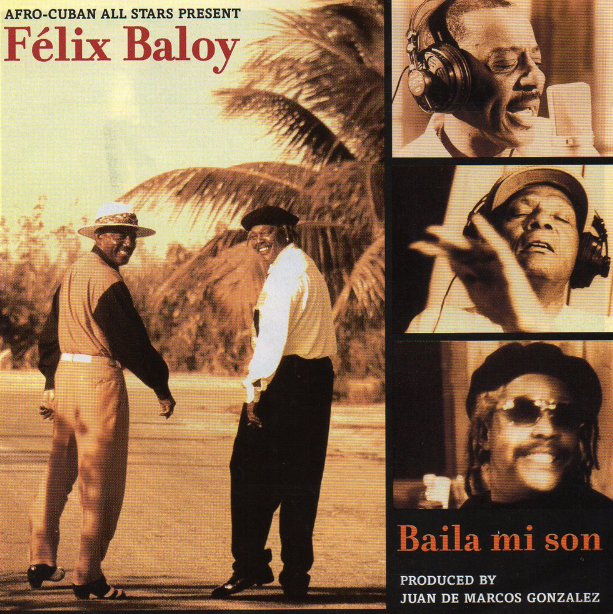
A year later, when Nick Gold and Ry Cooder were in Havana recording the Grammy-winning Buena Vista Social Club, Gold also recorded the first album by the Afro-Cuban All Stars, led by Juan de Marcos Gonzalez. Although Juan de Marcos was deeply involved in the Buena Vista album as musical director, the All Stars had a quite different sound and the voice of Baloy became central to the band leader’s vision to recapture the energy and excitement of the big band era.
“When I had the chance to realise my dream of creating a band that spanned different generations to pay tribute to the golden age of Cuban music, I knew that the talent and energy of Baloy were vital to the project,” Marcos recalls. “He has tremendous charisma and incredible talent, which never fails to stimulate every kind of audience. He is without question one of the great figures of modern Cuban music.”
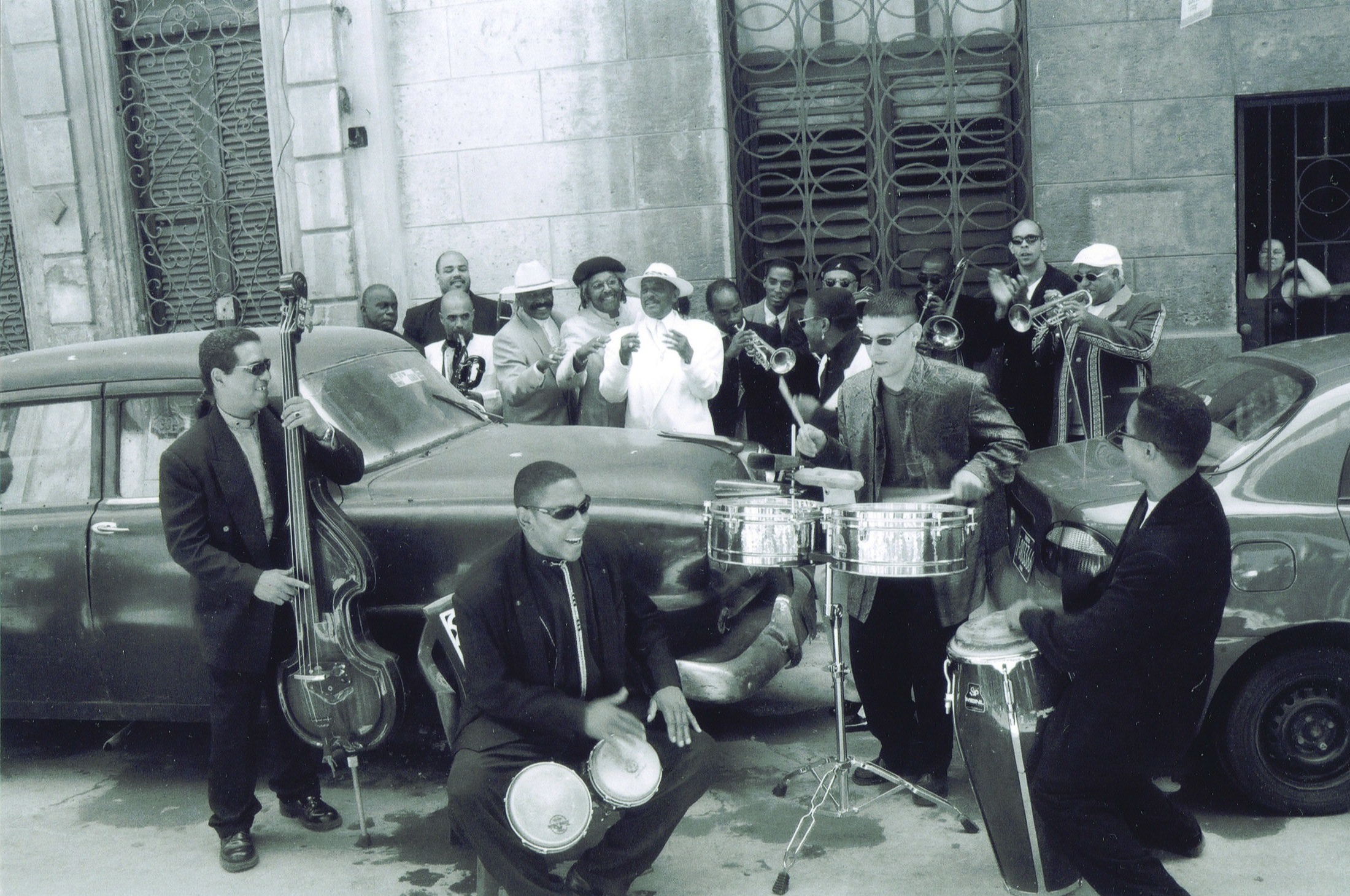
Baloy spent the next half dozen years playing to sell-out audiences across the world with Juan de Marcos Gonzalez and the Afro-Cuban All Stars and sharing a stage with many of the veterans from the Buena Vista Social Club, including Ibrahim Ferrer, Ruben Gonzalez, Omara Portuondo, his old friends Raul Planas and Pio Leyva.
Felix Baloy Live in the UK, Alive in Cuba

Youtube Videos:
Music Catalog of Félix Baloy
In 2000, backed by the Afro-Cuban All Stars and produced by Juan de Marcos Gonzalez, Baloy took the lead on the Tumi Music album, Son de Baloy. In effect, it was his first solo album after more than 40 years as a singer, during which time he had made more than 20 albums under different musical directors. A sparkling and seductive collection, Son de Baloy revealed a magnificent artist at the height of his powers who was and ready to take the spotlight.
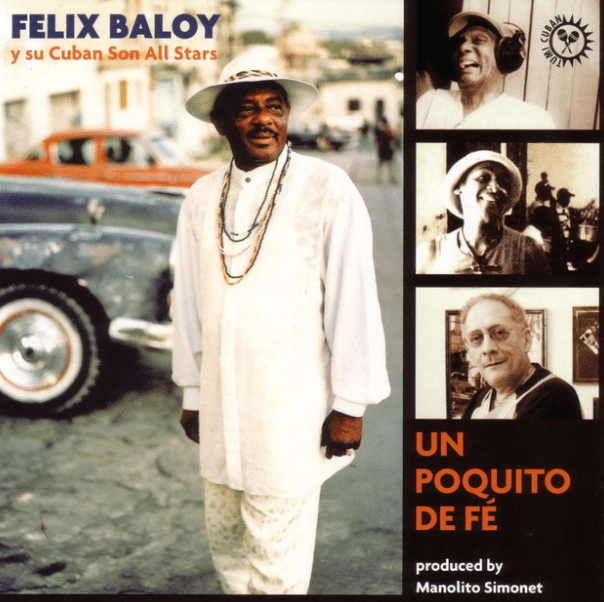
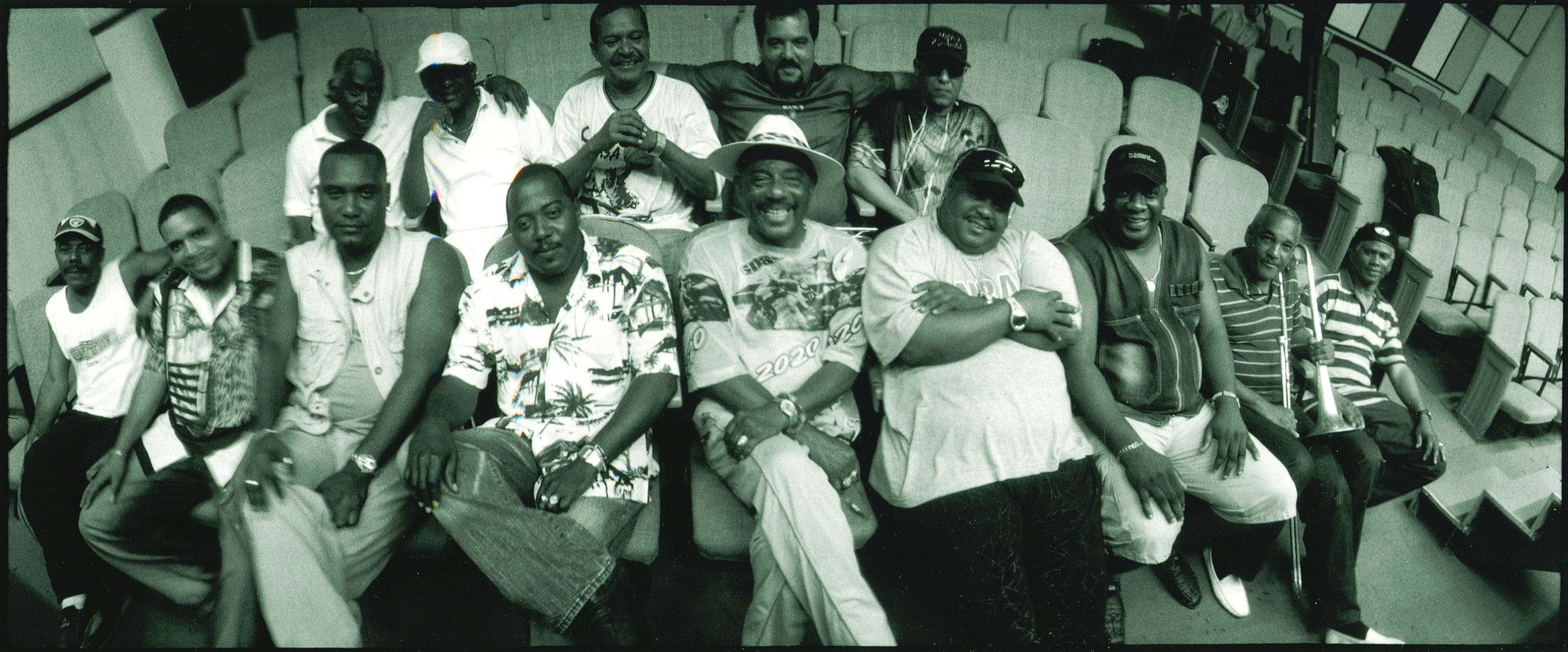
Finally, in 2002, he left Juan de Marcos to form his own band, Félix Baloy and the Cuban Son All Stars. Now comes Un Poquito de Fé, his self-produced debut fronting his own ensemble. It’s another memorable collection of son, as you would expect from one of Cuba’s greatest soneros, although Baloy also shows his versatility on the wonderful old-style bolero of the title track. His own band is augmented for the occasion with guest appearances by several old friends from the Buena Vista Social Club and the Afro-Cuban All Stars.
Félix Baloy has waited a long time to lead his own band. Steeped in the rich traditions of son, Un Poquito de Fé is the result of a lifetime spent in Cuban music, the realisation of a long cherished ambition and the start of a new chapter in an already illustrious career.
Nigel Williamson

 Tumi Music blogs